Lingerie spring sale for all bras Discount 30%



Understanding the Impact of UK Horse Racing Being Not On

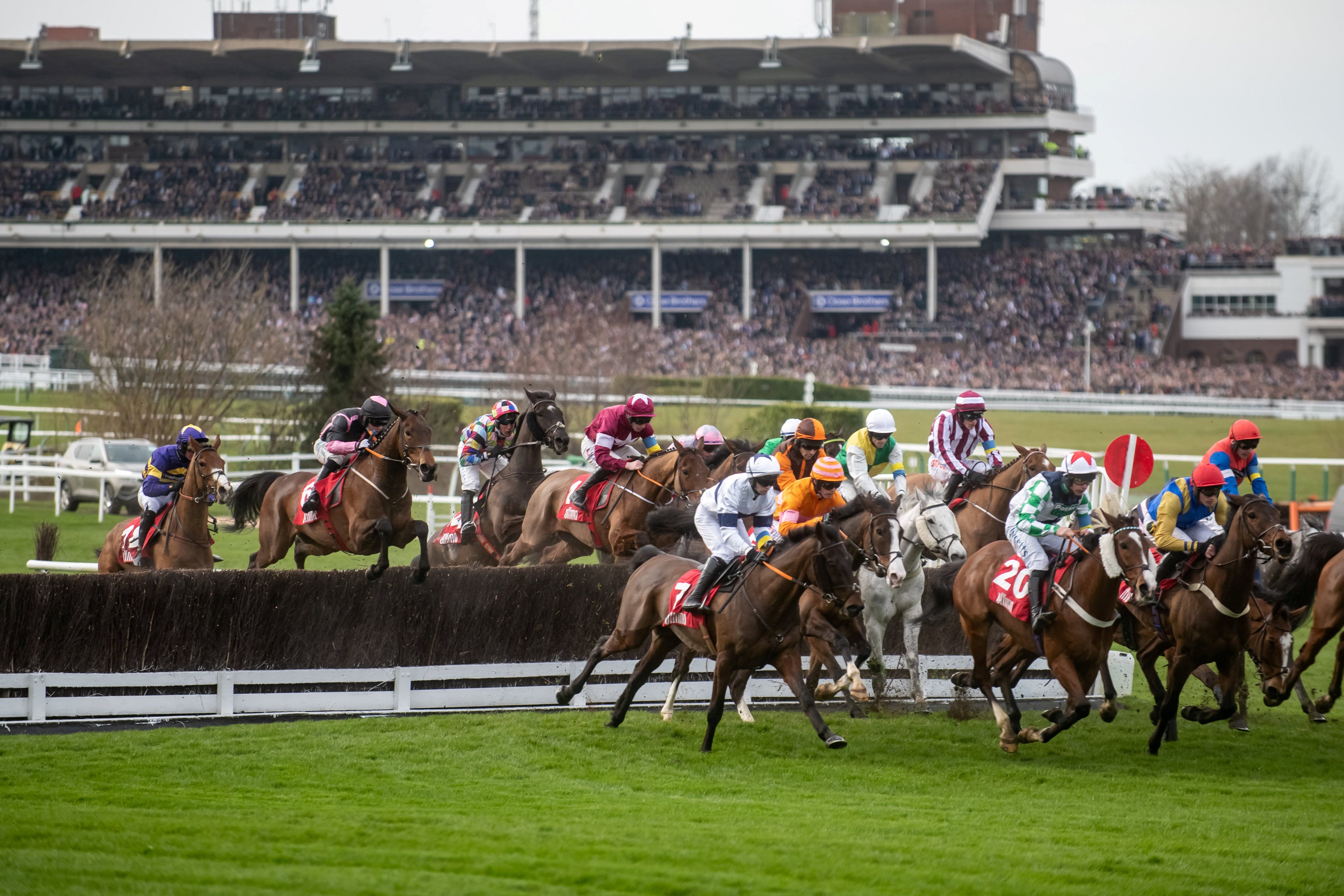
Horse racing has long been viewed as an iconic part of British culture, steeped in tradition and excitement. However, there are times when the UK horse racing industry faces challenges that prevent events from taking place. This article delves into the nuances of what it means when UK horse racing is not on, the reasons behind it, and the broader implications for the industry and society as a whole, including the best UK Horse Racing Not on GamStop horse racing sites to follow for updates.
The Legacy of Horse Racing in the UK
Horse racing in the UK dates back many centuries, initially serving as a noble sport now accessible to the masses. With prestigious events like the Grand National and Royal Ascot, it has become a staple of British sporting life. The impact of these events extends beyond the racetrack, influencing tourism, local business, and even fashion.
Reasons Why UK Horse Racing May Not be On
Several factors can lead to the cancellation or suspension of horse racing events in the UK.
- Weather Conditions: Severe weather, such as heavy rain, snow, or frost, can render tracks unsafe for horses and riders, leading to postponed events.
- Health Concerns: Outbreaks of diseases such as equine flu or other illnesses can lead to strict measures being put in place to protect both horses and people involved in the sport.
- Regulatory Changes: Changes in laws or regulations can impact the scheduling of events. For example, alterations in gambling regulations or betting limits may force organizers to reevaluate events.
- Pandemic or Public Health Emergencies: The COVID-19 pandemic has had a notable impact, as social distancing measures and lockdowns led to widespread cancellation of events in 2020.
The Economic Impact of Racing Cancellation
The cancellation of horse racing events can have a profound economic effect. Local economies that thrive on the influx of tourists and attendees can face significant losses. Consider the hospitality sector—hotels, restaurants, and local shops often see a boom during racing season. When races are not held, these businesses suffer.
Social and Community Consequences
Horse racing serves as a crucial social nexus in communities. It provides a venue for people to gather, socialize, and celebrate shared interests. The absence of these gatherings can lead to a sense of isolation among fans and communities.
Emotional Attachment of Fans
Horse racing fans often develop deep emotional ties to the sport, the horses, and their favorite jockeys. With events being canceled or postponed, fans experience disappointment and frustration. This emotional investment in the sport showcases the profound impact racing has on individuals beyond mere gambling or entertainment.
Alternatives When Racing is Not On
When horse racing events are not on, fans and stakeholders find ways to engage with the sport differently. This could include:
- Online Betting: Many fans turn to online betting platforms to continue engaging with horse racing even when live events are not occurring.
- Virtual Racing: Technological advancements have made virtual racing popular, allowing fans to enjoy the thrill of the sport from their homes.
- Following International Events: Fans may shift their focus to races happening in other countries, expanding their knowledge and interest in global horse racing.
The Future of UK Horse Racing
Despite challenges faced when UK horse racing is not on, the sport has a resilient nature. Industry stakeholders consistently work towards ensuring that racing remains an integral part of the UK’s sporting fabric. The implementation of improved health protocols, investment in technology, and efforts to enhance engagement can help mitigate future disruptions.
Conclusion
The absence of horse racing events in the UK highlights the multifaceted impact this sport has on culture, economy, and community. Whether through weather problems, health concerns, or broader societal issues, the implications ripple through various sectors. As fans and industry continue to navigate these challenges, the love for horse racing remains strong, ensuring that the sport will continue to be a thrilling part of British life for years to come.