Lingerie spring sale for all bras Discount 30%



Understanding gambling’s historical evolution through the ages

Understanding gambling’s historical evolution through the ages
The Origins of Gambling
The roots of gambling can be traced back thousands of years to ancient civilizations. Archaeological evidence suggests that dice, made from various materials, were used in Mesopotamia around 3000 BCE. These early games were not merely pastimes; they often had religious significance, as people believed that luck was influenced by the divine. Various forms of betting evolved, with games such as backgammon and early card games appearing in different cultures. Today, you can find options like non gamstop casino uk that offer exciting alternatives in the gaming landscape.

As societies developed, so too did the complexity of gambling. The ancient Greeks and Romans incorporated gambling into their recreational activities, leading to the establishment of betting on gladiatorial contests and other public events. This marked a pivotal moment, as gambling began to shift from a private or local activity to a more organized public spectacle, paving the way for the emergence of modern gambling establishments.
The Middle Ages and Gambling Regulation
During the Middle Ages, gambling faced significant scrutiny from religious institutions, which viewed it as a sin. Despite this opposition, gambling remained popular among the nobility and common folk alike. Games of chance, such as dice and card games, flourished in taverns and royal courts, illustrating the deep-rooted human inclination toward risk and reward.
Governments recognized both the potential for revenue and the need for regulation, leading to the establishment of laws aimed at controlling gambling activities. Some countries banned gambling altogether, while others created state-sponsored games, setting the stage for future developments in gambling legislation. This era of regulation revealed a growing awareness of the social issues associated with gambling, including addiction and exploitation.
The Rise of Casinos in the Modern Era
The 17th century marked a significant turning point in the history of gambling with the advent of the modern casino. The first official casino, the Ridotto, opened in Venice in 1638, providing a structured environment for gaming. This establishment laid the groundwork for the casino experience we know today, featuring organized games and entertainment in a controlled setting.
As the popularity of casinos spread across Europe, various games, including roulette and baccarat, became staples. The development of casinos also correlated with the rise of tourism, as people traveled to experience the thrill of gambling in grand establishments. This period signified the transformation of gambling from a clandestine activity into a mainstream entertainment option, complete with elaborate architecture and lavish surroundings.
The Digital Revolution and Online Gambling
The late 20th century ushered in a new era for gambling with the introduction of online casinos. The rise of the internet in the 1990s transformed the gambling landscape, allowing players to engage in games from the comfort of their homes. This shift not only expanded access but also diversified the types of games available, leading to an explosion in the popularity of online gambling platforms.
With innovations such as live dealer games and mobile gaming, the online gambling industry has continued to evolve. Players now enjoy a wide range of options, from traditional casino games to sports betting and beyond. This digital revolution has made gambling more accessible than ever, yet it has also raised new challenges regarding regulation and responsible gambling practices.
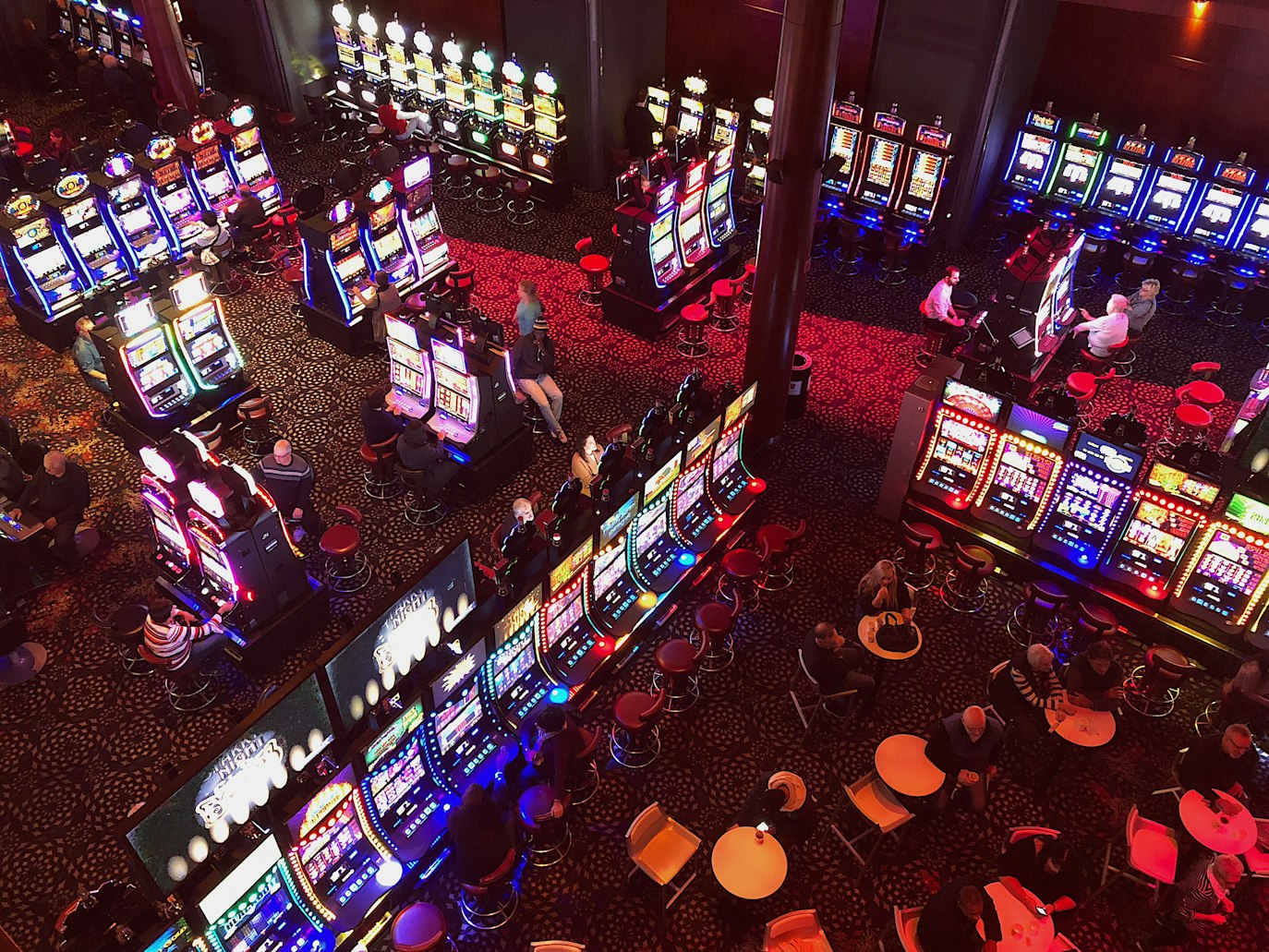
Exploring the Modern Gambling Landscape
Today, gambling encompasses a wide array of formats and experiences, from traditional brick-and-mortar casinos to innovative online platforms. Websites dedicated to alternative gaming experiences, such as non-GamStop casinos, cater to those seeking options outside of traditional regulations. These sites offer players the freedom to enjoy their favorite games while providing resources for responsible gaming.
As gambling continues to evolve, understanding its historical context becomes essential for players and regulators alike. The journey from ancient games of chance to today’s sophisticated online casinos reflects societal changes, technological advancements, and the timeless human fascination with risk and reward. For those interested in exploring reliable alternatives, specialized guides can help navigate the expansive world of modern gambling, ensuring a safe and enjoyable experience.