Lingerie spring sale for all bras Discount 30%



Understanding Horse Racing Betting When Not to Bet

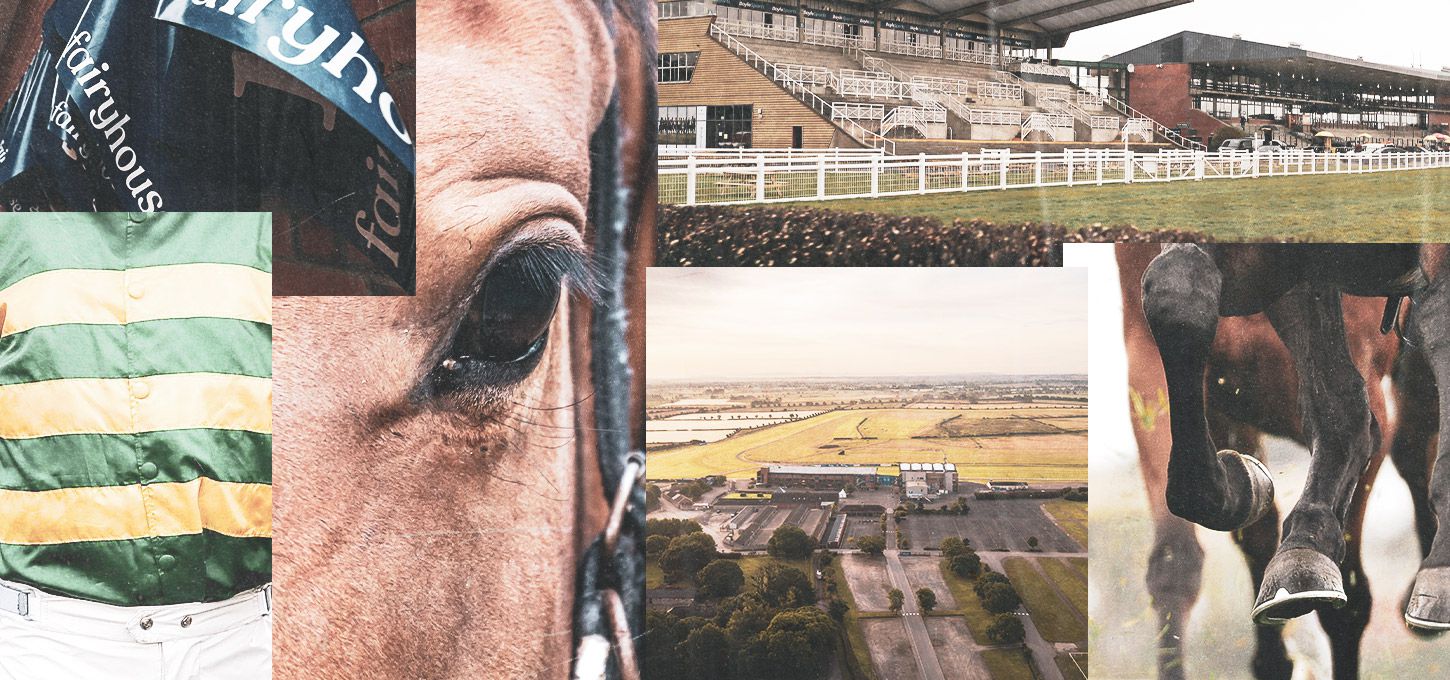
Understanding Horse Racing Betting: When Not to Bet
Horse racing betting can be an exhilarating experience that combines the thrill of the race with the potential for financial gain. However, it is essential for bettors to understand that there are times when placing a bet is not advisable. Making informed decisions is crucial, and this article will explore the various scenarios in which you should refrain from betting on horse racing. For additional insights into horse racing strategies, you might find it helpful to visit Horse Racing Betting Not on GamStop https://www.koyamalondon.com/.
The Importance of Research
The first and foremost reason to avoid betting on a horse race is the lack of adequate research. Effective betting demands a thorough understanding of the race, the horses, the jockeys, and even the conditions of the track. If you find yourself in a situation where you do not have the time or resources to gather this information, it is advisable to hold off on betting. Betting without a solid foundation of knowledge can lead to uninformed decisions and, ultimately, financial loss.
Examining Current Conditions
Another critical factor to consider is the current conditions of the race. Weather can significantly influence the outcome of a race, affecting the horses’ performance and the overall dynamics of the event. For instance, if heavy rain alters the track conditions, you might want to reconsider placing bets. Horses perform differently on wet tracks compared to dry ones, and your previous research on a horse’s performance might no longer apply. Therefore, it’s essential to factor in these changing conditions before committing your funds.
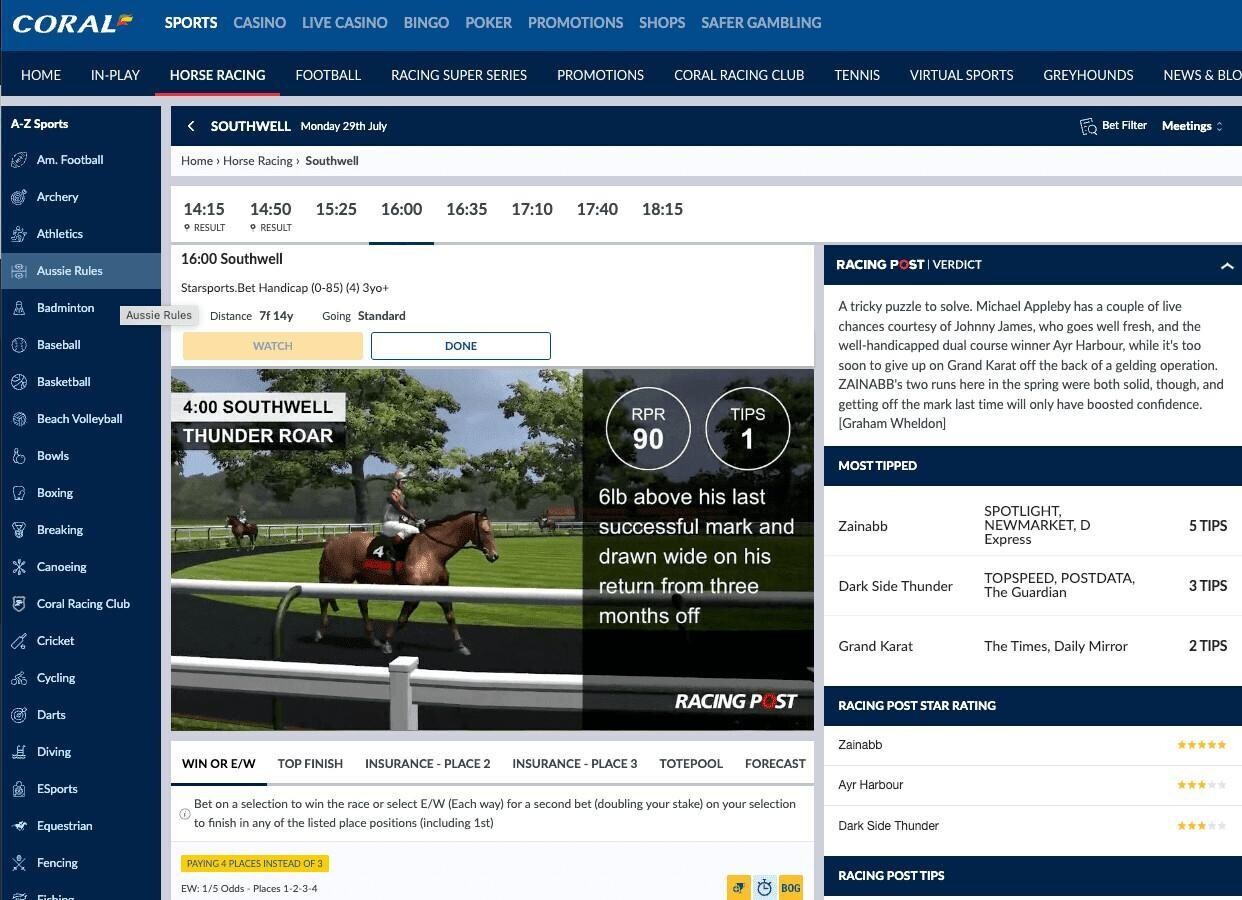
Understanding Your Budget
Having a clear understanding of your budget is essential in any form of betting, especially in horse racing. If you’re in a financial position where betting could cause stress or anxiety, it is best to abstain from betting altogether. Setting a budget for how much you are willing to wager and adhering to that limit is crucial. If you find yourself tempted to exceed that limit or feeling pressured to make a bet due to emotional factors, such as the excitement of the day or peer pressure, it’s wise to step back and refrain from placing any bets.
Racing on Unfamiliar Tracks
When attending races at new or unfamiliar tracks, it’s wise to exercise caution. Every racecourse has its unique characteristics that can influence the performance of the horses and the strategies of the trainers. Without understanding the nuances of a new track—such as the layout, surface, and previous race outcomes—betting can be more of a gamble than a calculated risk. It might be beneficial to observe a few races or seek advice from seasoned bettors before making any financial commitments.
Emotional Decision Making
Emotional decision-making can lead to poor betting choices. If you find yourself betting on a horse simply because you have a personal connection to it—such as a favorite color, name, or the jockey—you might want to take a step back. Betting should be based on logical reasoning and statistical analysis rather than sentiment. Emotional ties can cloud judgment, resulting in bets that lack a strategic foundation.
Injuries and Withdrawals
Keeping an eye on potential injuries or last-minute withdrawals is fundamental to successful horse racing betting. If a horse you were considering betting on experiences an injury or is unexpectedly withdrawn from the race, it’s prudent to avoid placing a bet on its replacement without doing further research. Many bettors learn the hard way that last-minute changes can drastically alter the expected outcomes, and betting in such cases can often lead to disappointment.
Understanding Betting Types and Odds
Familiarity with the different types of bets available in horse racing is critical. If you do not fully understand the various betting options—such as win, place, show, or exotic bets—it may be best to refrain from placing any bets until you have a clear grasp of these concepts. Each betting type has its own set of risks and rewards, and placing bets without understanding these can lead to poor betting outcomes.
The Role of Alcohol
Alcohol can cloud judgment and lead to impulsive decisions, especially in betting environments where excitement is high. If you find yourself drinking before or during the races, it is advisable to avoid betting altogether. Impaired judgment can lead to substantial losses and a regrettable betting experience. Betting should always be undertaken with a clear mind and a rational approach.

Developing a Betting Strategy
A well-thought-out betting strategy can significantly improve your chances of success in horse racing. However, if you do not have the time or inclination to develop such a strategy, it might be best to refrain from betting. Betting without a plan can lead to haphazard choices and wasted resources. Consider investing time in developing a systematic approach to betting, which may involve analyzing statistical data, understanding horse and jockey forms, and determining acceptable risk levels.
The Social Aspect of Betting
Horse racing events can often involve a social aspect, with many attendees feeling the pressure to bet simply because others are doing so. It is essential to remember that betting should be a personal choice based on your analysis and comfort level, rather than influenced by social dynamics. If you feel the need to bet due to peer pressure, it is better to abstain and make decisions based on your preferences and knowledge.
Conclusion
Understanding when not to bet in horse racing is just as important as knowing when to take a chance. Research, financial awareness, emotional stability, and familiarity with the race environment and horses can help prevent impulsive and ill-informed decisions. Always remember that betting should enhance your experience, not detract from it. Armed with this information, you can make smarter, more strategic decisions in horse racing betting, ensuring that your experience remains enjoyable and financially responsible.